Buying Headphones for Calls? ANC Is Only Half the Story
Choose headphones by testing what the other person hears, microphone selection and comfort—not just the strength of noise cancellation.
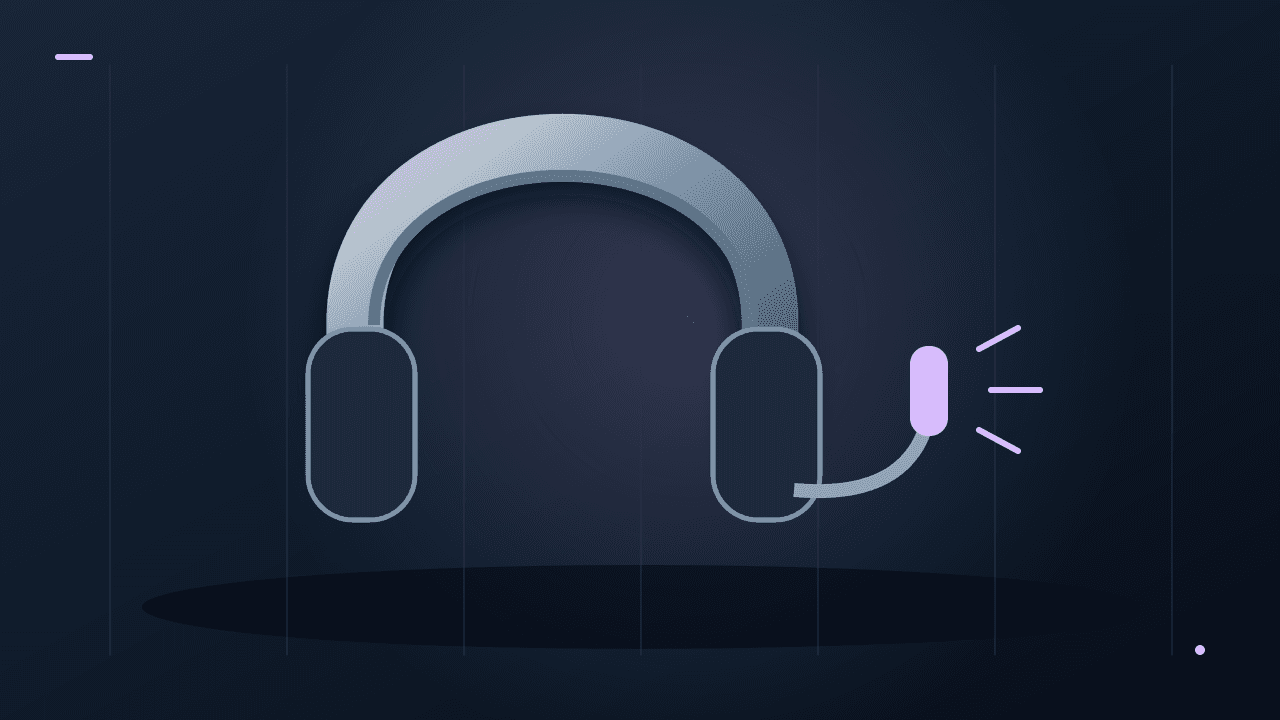
You buy noise-cancelling headphones, join a meeting, and someone says they can hear the café more clearly than your voice. The headphones may be doing a good job of quietening the sound for you while doing a poor job of sending clear speech to them.
For calls, evaluate incoming listening comfort and outgoing microphone quality separately. An ANC badge describes a listening feature; it is not sufficient evidence of clear speech at the other end of a meeting. Bose’s ANC explanation describes reducing the outside noise heard by the wearer, with stronger effectiveness for steady low-frequency sound than for sudden noise.Start with your actual calling environment
Write down where most calls happen: a quiet bedroom, a shared office, a roadside walk or public transport. Then list the devices and applications involved. A phone call and a laptop meeting can use different microphones, settings and connection paths.
Prioritise the situation that costs you the most trouble. Someone taking support calls all day may value a stable fit and a reliably positioned microphone more than compact earbuds. Someone making occasional calls while commuting may put portability first.
Do not assume a product demonstration of music playback answers either person's question. Look for a clearly identified microphone sample under conditions resembling yours, and check whether it was captured through the same type of connection you intend to use.
Test through the meeting application
With a friend's consent, make a short test call using your normal device and app. Select the intended microphone explicitly in the app's audio settings. A laptop can continue using its built-in microphone while playing sound through the headphones, which would make your comparison misleading.
Use the same short script for each candidate: “The meeting is on Thursday at three fifteen. The reference is B seven, P nine, and five zero four.” Include ordinary sentences as well as letters and numbers that are easy to mishear.
Ask the listener what they understood before showing the script. Their accuracy is more useful than a vague “sounds fine.” Do not record or share another person's voice without permission.
Repeat in three conditions you care about
- Quiet: establish whether the voice sounds clear without competing noise.
- Normal background activity: use the environment you actually work in, without staging extreme noise.
- Movement: turn your head and walk if that is part of your calling routine.
Keep app noise-suppression settings consistent for a fair comparison. If you change them, note the change. The app's processing and the headphone's processing can both affect the result, so a local voice-recorder sample may not represent the complete meeting experience.
This is an original test method for readers to perform, not a report of results from products we tested.
Fit and microphone position can matter
Sony's support guidance for the 1000X THE COLLEXION specifically discusses wearing position and call microphones when the other person cannot hear clearly. It is a model-specific example of why fit and unobstructed microphones deserve checking before declaring a product defective. Sony's call troubleshooting guidance explains its recommendations.
For your candidate, read the actual manual. Check which microphone openings must remain unobstructed and whether any use modes change call behaviour. Do not generalise a setting from one Sony model to every pair of headphones.
Consider the whole working day
Try the mute control, volume adjustment and device switching. Check whether the microphone works over the wired connection you intend to use; a cable connection does not automatically preserve every wireless feature.
Read battery claims carefully and distinguish music playback from call time if the manufacturer lists them separately. Confirm whether charging during use is supported. For lengthy meetings, weight, pressure and heat around the ears can matter as much as sound quality.
Is a boom microphone always better?
No design guarantees a result. A boom can place the microphone closer to your mouth, but the implementation and environment still matter. Compare actual call evidence instead of awarding a winner from appearance alone.
If speech breaks up even with a known-good microphone, use our Wi-Fi diagnostic checklist. A network problem can sound like an audio-device problem.
Documentation and buying framework checked October 8, 2026. No headset was tested; the call script is an original worksheet for evaluating your own shortlist.About the author
UbedullaFounder & Editor
Founder and editor of The Bot Post, covering AI news and technology.