eSIM or Physical SIM? Check Travel and Phone Transfers First
Choose between eSIM and a physical SIM by checking carrier support, travel plans, number transfer and recovery if your phone fails.
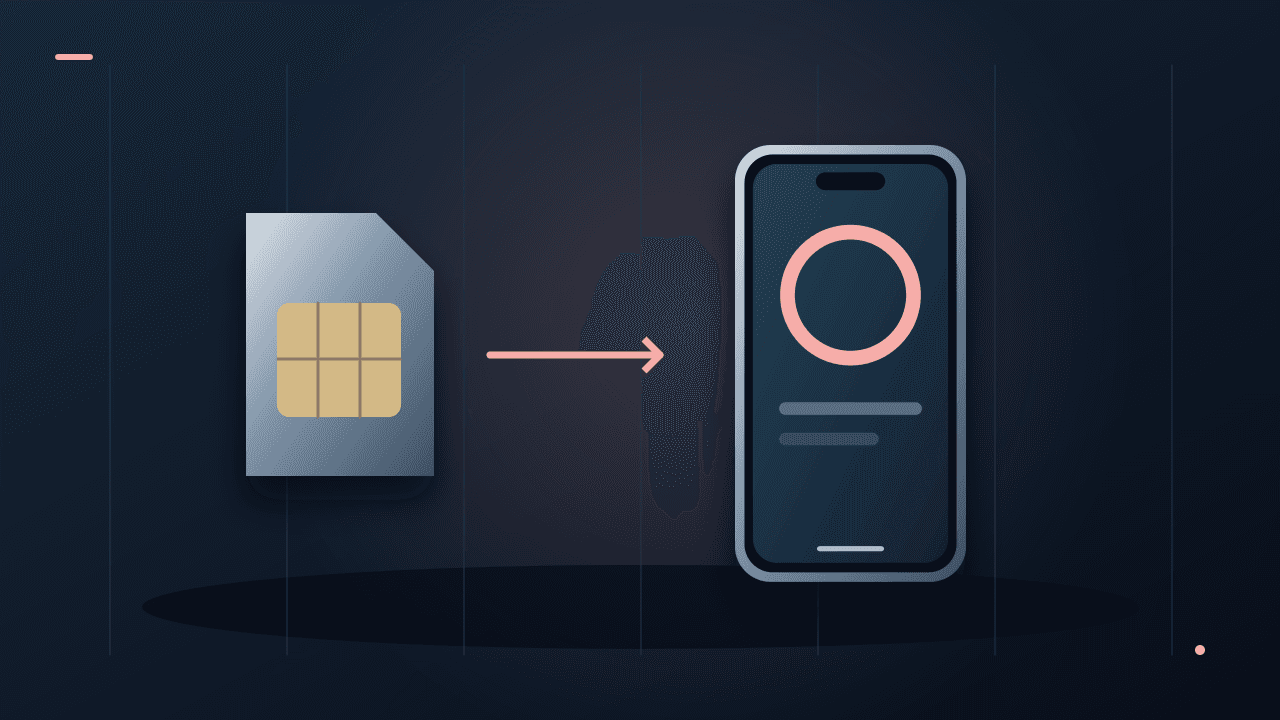
An eSIM can save you a trip to a shop, but it can also leave you researching activation rules at an airport if you buy the wrong plan. A physical SIM is familiar, but that does not mean every phone has a tray or every carrier transfer is effortless.
Choose based on the exact phone, carrier and recovery process you need. Neither format automatically gives better coverage, lower roaming charges or a faster mobile connection.Start with compatibility, including the region
Check the model number and the market where the phone was sold. SIM configurations can differ across regions even when the retail name looks similar. Then check that your carrier supports eSIM for that device and account type.
Apple's setup guidance describes carrier activation, supported transfers and other methods rather than one universal procedure. A supported iPhone is only part of the requirement; carrier participation matters. Apple's eSIM setup guide is a useful starting point for iPhone owners.
For an imported or refurbished handset, ask about network locking separately. The presence of an eSIM setting does not prove the device can accept a competing carrier's plan.
Buying a travel eSIM: six details to read
- Countries: the exact destinations covered, including connections or side trips.
- Allowance: total data, any daily limits and what happens after the allowance.
- Validity: whether the clock starts at purchase, installation or first network connection.
- Service: data-only or a usable phone number with calls and SMS.
- Sharing: whether tethering is permitted under the plan.
- Support: how to obtain help if activation fails before you have mobile data.
These are purchase questions, not features guaranteed by the word eSIM. Save the order details and the provider's activation instructions somewhere you can access without the new connection.
Apple notes that international roaming on an eSIM works like roaming on a physical SIM, and using another provider requires an unlocked iPhone. Its travel guide also distinguishes local-provider and worldwide-provider plans. Read Apple's travel eSIM guidance.
Keep data service and your home number separate in your plan
You might want travel data while keeping your usual number available for important messages. Before departure, ask your home carrier about roaming availability and charges, including incoming calls or other activity. Do not assume leaving a line enabled is free in every destination.
Label the lines clearly if your device supports that, and verify which one is selected for data and calls. Follow the travel provider's roaming-setting instructions: some travel plans require data roaming on their own line. A blanket instruction to switch every roaming setting off can prevent the purchased plan from working.
Test before you are dependent on the connection, within the provider's activation rules. Avoid deleting an installed eSIM as an experiment; reinstalling may require carrier help or a new activation credential.
Ask the uncomfortable question: what if this phone breaks?
A working physical card may be movable into another compatible, unlocked handset with the correct tray. An eSIM transfer or replacement depends on the carrier's supported process, especially if the old phone cannot turn on.
Ask how you would recover service from another device, whether you need identity verification, and whether support is available while travelling. Keep access to the account email and recovery methods independent of the phone where possible. Do not publish or share activation QR codes; treat them as sensitive account material.
For someone who regularly swaps between a primary and spare handset, recovery convenience may outweigh the appeal of instant installation. For someone who changes countries frequently with supported carriers, eSIM flexibility may be valuable.
A sensible decision rule
Choose an eSIM arrangement when your device and carrier support it well, the travel plan fits, and you understand recovery. Keep or choose a physical-SIM option when easy movement to your compatible spare phone is a priority and your carrier's digital transfer route is awkward.
Sometimes the best answer is a phone that supports both formats. Verify the number of lines that can be active together; the number of stored profiles is not necessarily the same thing.
If you are changing platforms as well, use our Android-to-iPhone migration checklist before erasing the old device.
Documentation checked October 8, 2026. This guide does not compare current carrier prices or claim activation tests. Confirm regional and account-specific conditions before purchase.About the author
UbedullaFounder & Editor
Founder and editor of The Bot Post, covering AI news and technology.