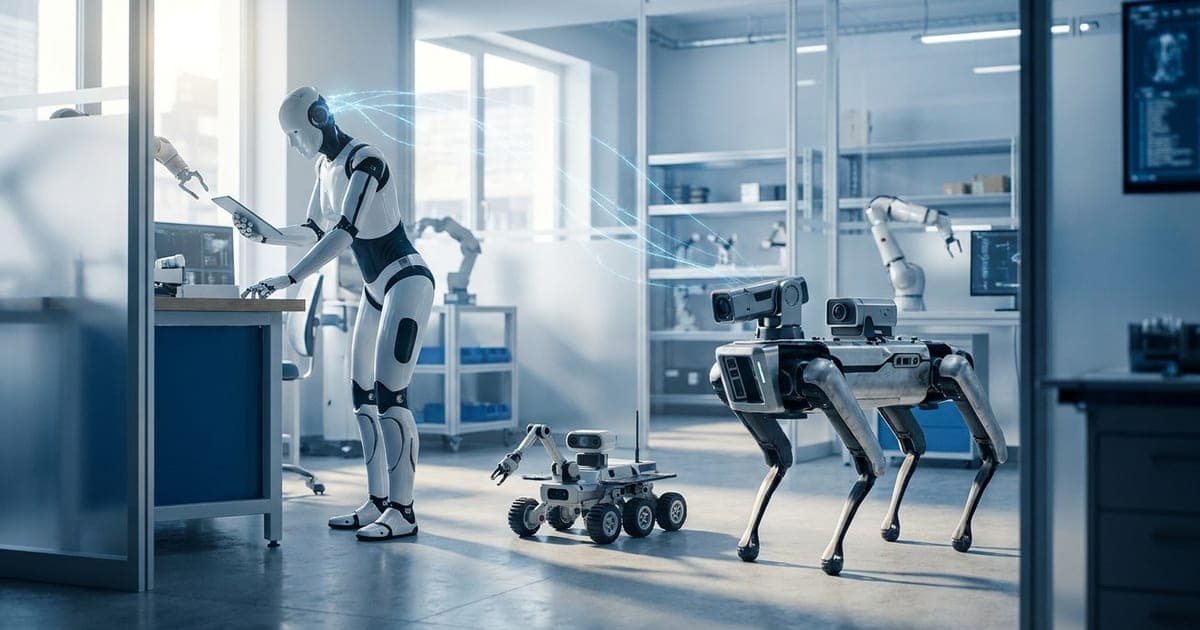
A NY School Tried to Put a Lifelike AI Robot in a Classroom. Teachers Revolted — and the Plan Was Paused
The Salamanca school district planned to add a humanlike Realbotix AI robot to a classroom as a teaching assistant. Teachers and their union called it 'really inappropriate' — and the backlash forced the district to hit pause. Here's what happened.
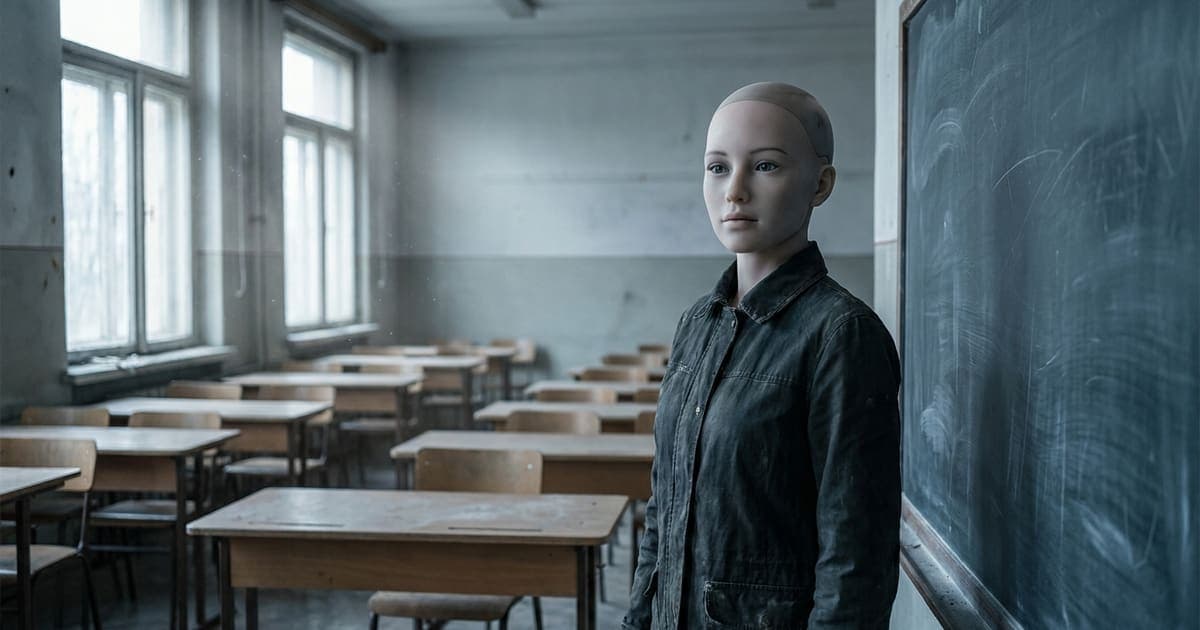
A small school district in upstate New York briefly became the center of a national debate this week over a simple, unsettling question: should a lifelike humanoid robot be standing at the front of a classroom full of kids? The Salamanca City Central School District thought the answer was yes — until teachers, their union, and a wave of public backlash made it hit pause.
The story hit a nerve because it collapses a lot of anxieties about AI into one very physical image: a human-looking machine, built by a company known for hyper-realistic androids, being placed among children as a "teaching assistant." Here is what actually happened and why it blew up.
What the school planned
Salamanca, a district in western New York, moved to bring an AI-powered, humanlike robot into the classroom as a teaching assistant. The robot was made by Realbotix, a company known for building strikingly lifelike humanoid robots — not the boxy, obviously-mechanical machines most people picture when they hear "classroom robot," but something designed to look and interact much more like a person.
The pitch, broadly, was the one you hear everywhere in edtech right now: an AI assistant that could help with lessons, answer student questions, and bring cutting-edge technology into a district that doesn't always get first crack at it. To administrators, it likely looked forward-thinking. To a lot of teachers, it looked like something else entirely.
Why teachers revolted
The pushback was fast and blunt. Educators called the plan "really inappropriate," and New York State United Teachers (NYSUT), one of the largest teachers' unions in the country, weighed in publicly against it. The Times Union reported the union "blasted" the use of an AI-powered classroom robot.
The objections clustered around a few themes:
- The "uncanny" factor. A hyper-realistic humanoid standing in for or beside a teacher struck many as unsettling for children, not reassuring.
- Guardrails and oversight. Teachers pushed for real safeguards around how AI is used with students — what data it collects, what it says to kids, and who is accountable when it gets something wrong.
- The role of the teacher. Dropping an AI "assistant" into the room raised the deeper worry that districts might see human educators as replaceable rather than supported.
Put together, it read to critics less like an upgrade and more like an experiment being run on students without their families' buy-in.
The pause
Facing the backlash, the district put the plan on hold. Coverage from NPR, the Guardian, CNET and local New York outlets converged on the same outcome: the robot is, for now, not coming to class. Teachers in the state are using the moment to push for clearer rules on AI in schools — the kind of policy that, notably, mostly didn't exist before a district tried to actually deploy one of these machines.
Why this one went viral
Plenty of schools are quietly adding AI tools — chatbots, tutoring software, grading assistants — with little fuss. What made Salamanca different is that the AI had a face. An abstract "AI in the classroom" debate is easy to scroll past; a photorealistic robot standing near children is not. It turned a policy question into a gut-check, and the gut reaction, for many parents and teachers, was no.
The episode is a preview of a fight that's coming to a lot more districts. The technology to put a convincing humanoid AI in a classroom now exists and is being marketed to schools. What doesn't yet exist, in most places, is the agreement on whether that's a good idea — or the rules to govern it if it happens. Salamanca just became the first town to have that argument out loud.
Frequently asked questions
What exactly did the school want to do?
The Salamanca City Central School District in upstate New York planned to introduce an AI-powered, humanlike robot — made by the company Realbotix — into a classroom as a teaching assistant. After public and union backlash, the district paused the plan.
Who is Realbotix?
Realbotix is a company known for building highly lifelike humanoid robots. That realism is a big part of why a classroom deployment drew such a strong reaction — the robot was designed to look and interact much more like a person than a typical educational gadget.
Why did teachers object?
Teachers and the New York State United Teachers (NYSUT) union called the plan inappropriate. Their concerns centered on the unsettling realism of the robot around children, the lack of guardrails governing AI use with students, questions about data and accountability, and worries that AI "assistants" could be used to diminish the role of human teachers.
Is the robot banned now?
Not banned — paused. The district put the rollout on hold in response to the backlash. Teachers across New York are now pushing for clearer safeguards and policies on AI in schools before any similar plan moves forward.
Why did this become national news?
Because it made an abstract debate concrete. Schools adopt AI software all the time with little attention, but a photorealistic humanoid robot placed among children turned "AI in the classroom" from a policy discussion into a visceral one — and it's a preview of arguments other districts will soon face.
Reporting based on coverage from NPR, The Guardian, CNET, Times Union, New York Focus, Gothamist and the New York State United Teachers (NYSUT). The Bot Post will update this story as the district and state education officials respond.
About the author
UbedullaFounder & Editor
Founder and editor of The Bot Post, covering AI news and technology.